Why Regular Septic Tank Inspection Is Essential for Homeowners
Are you aware of how important septic tank inspection is to maintain a healthy, functioning home? For homeowners in the Asheville area, neglecting septic system maintenance can lead to unexpected breakdowns, costly repairs, and environmental hazards. At Mike Lusk's Septic Tank Service, residents trust expert inspections as the first line of defense against septic system failure. This article will walk you through why regular septic inspections are critical, what they involve, and the many benefits of staying on top of this essential home maintenance task.
Why You Should Prioritize Septic Tank Inspection
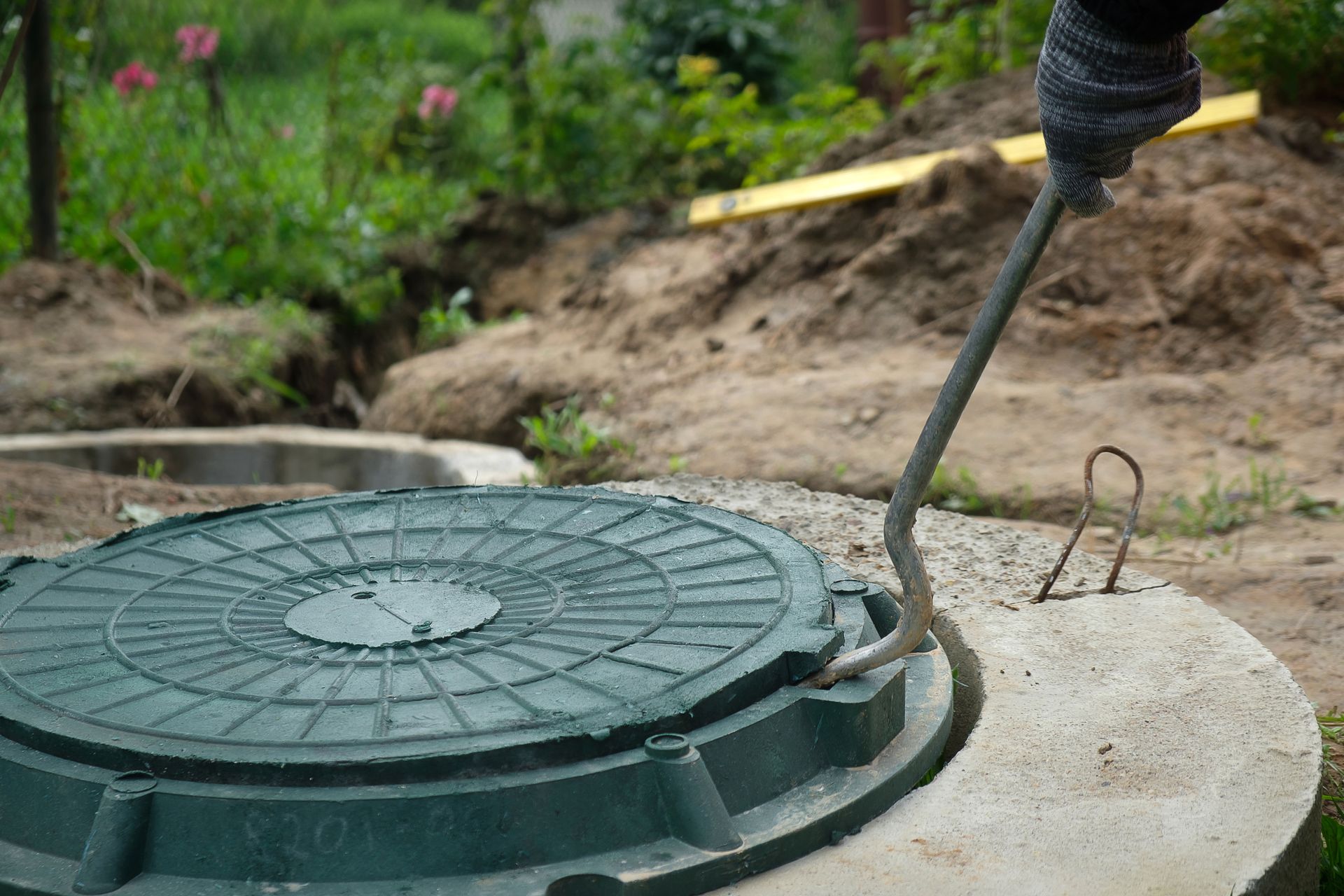
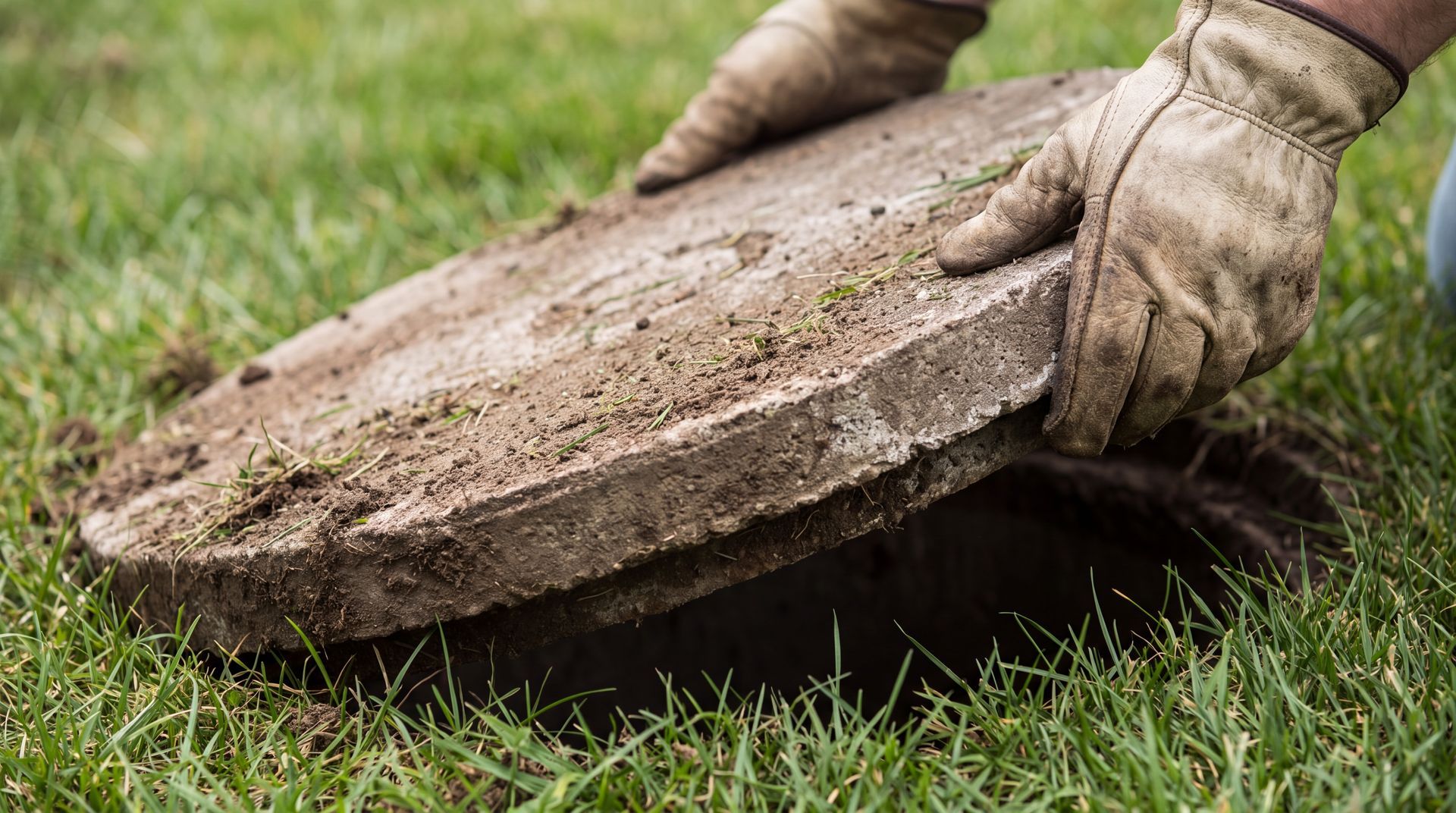
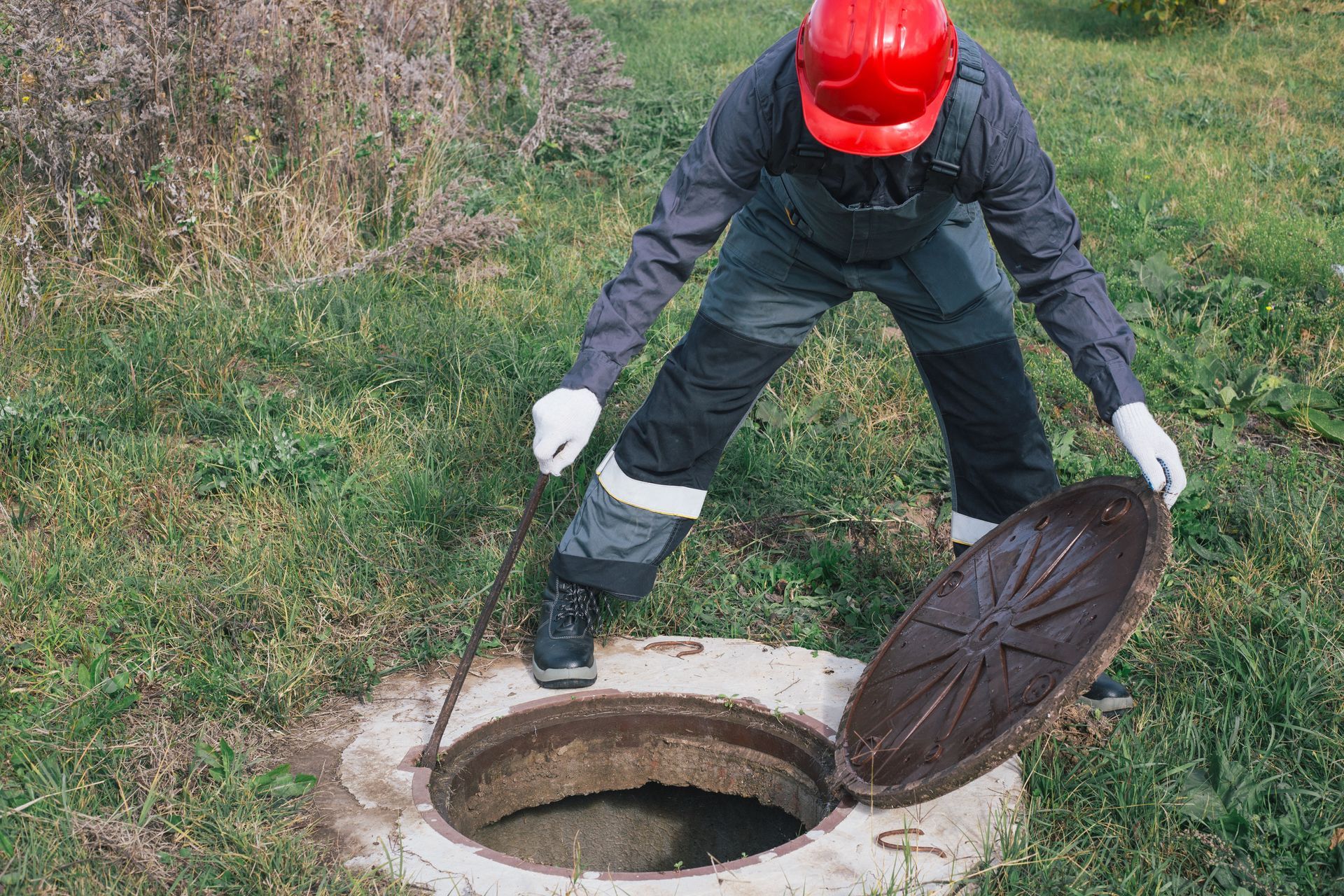
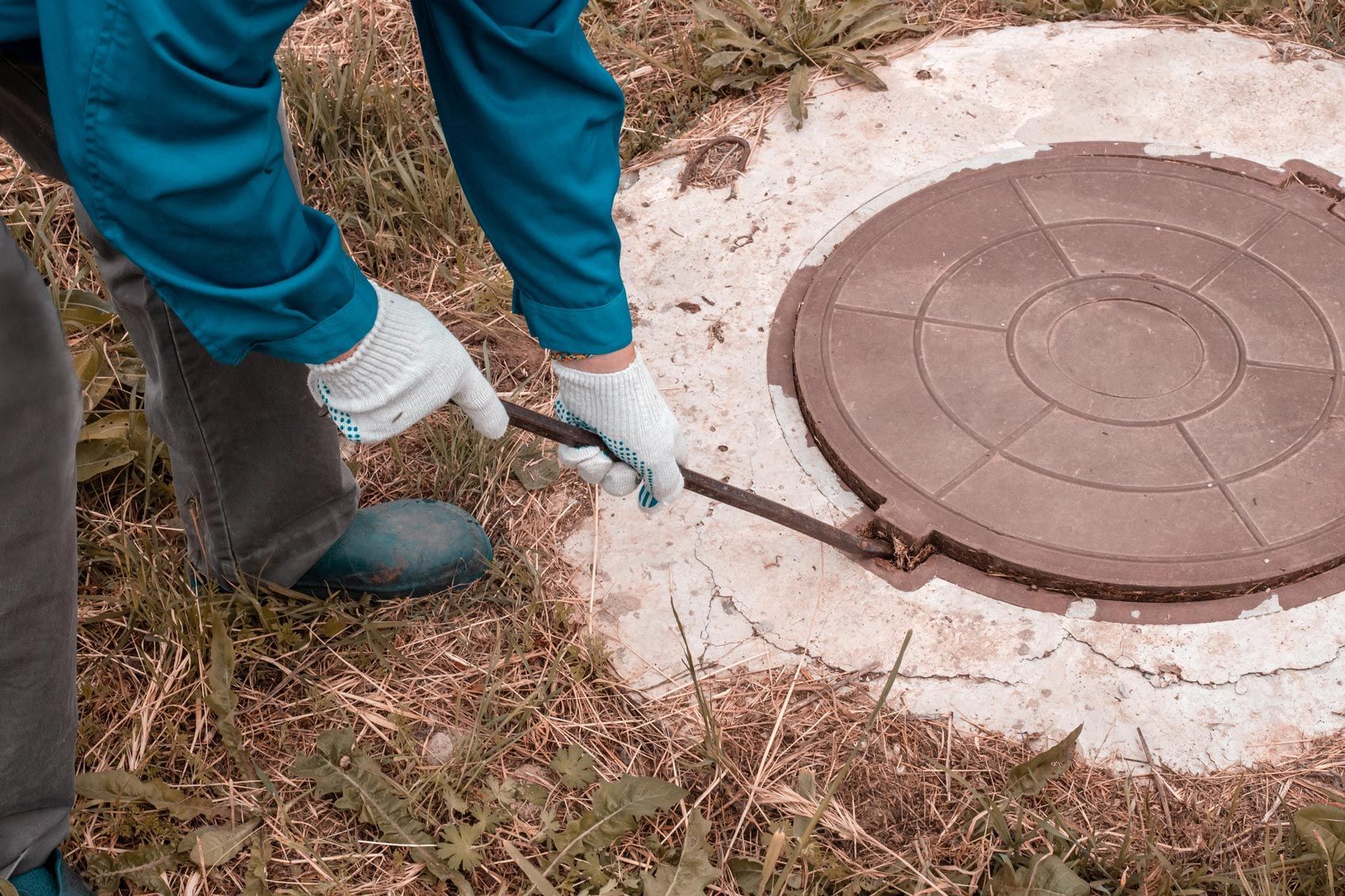
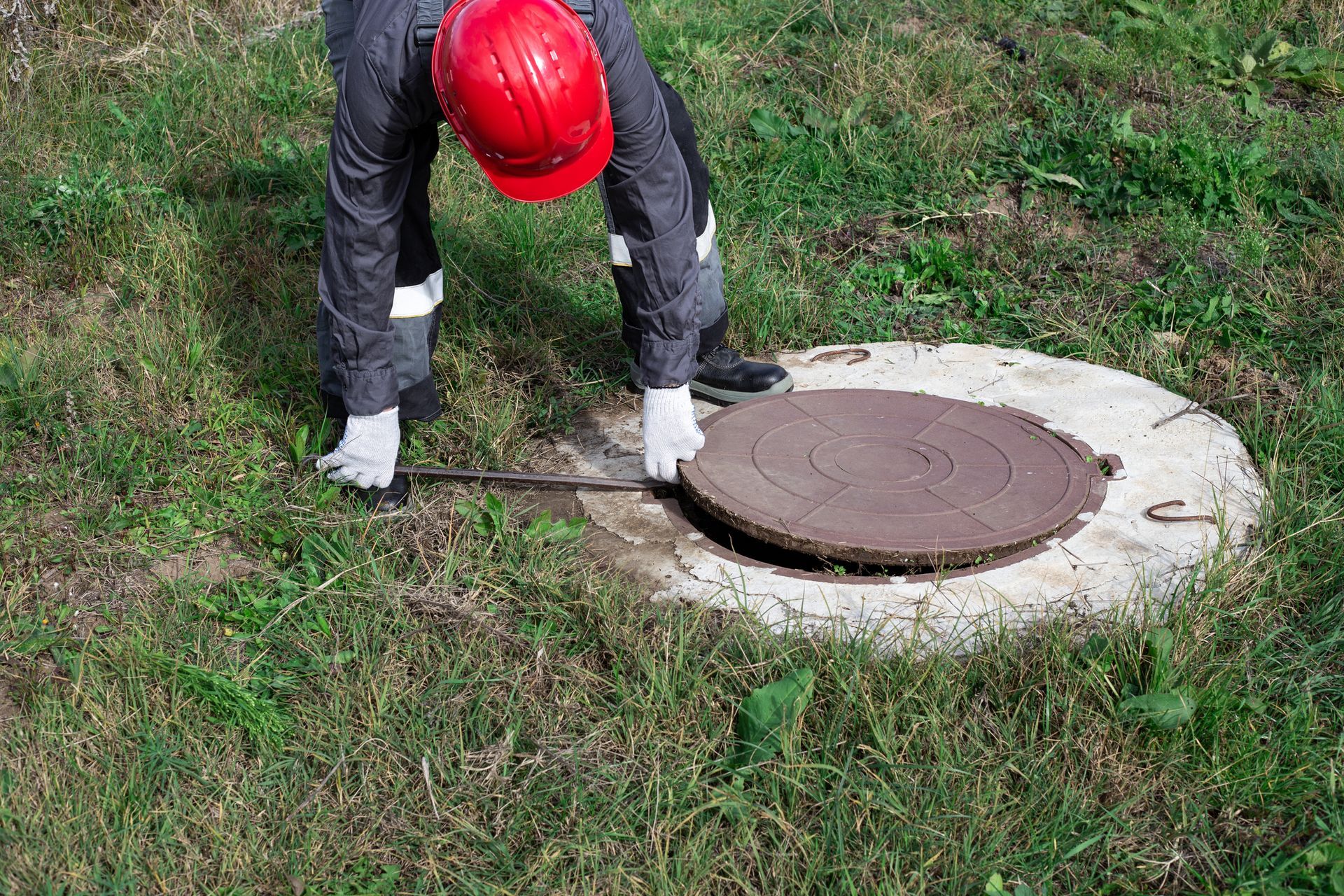
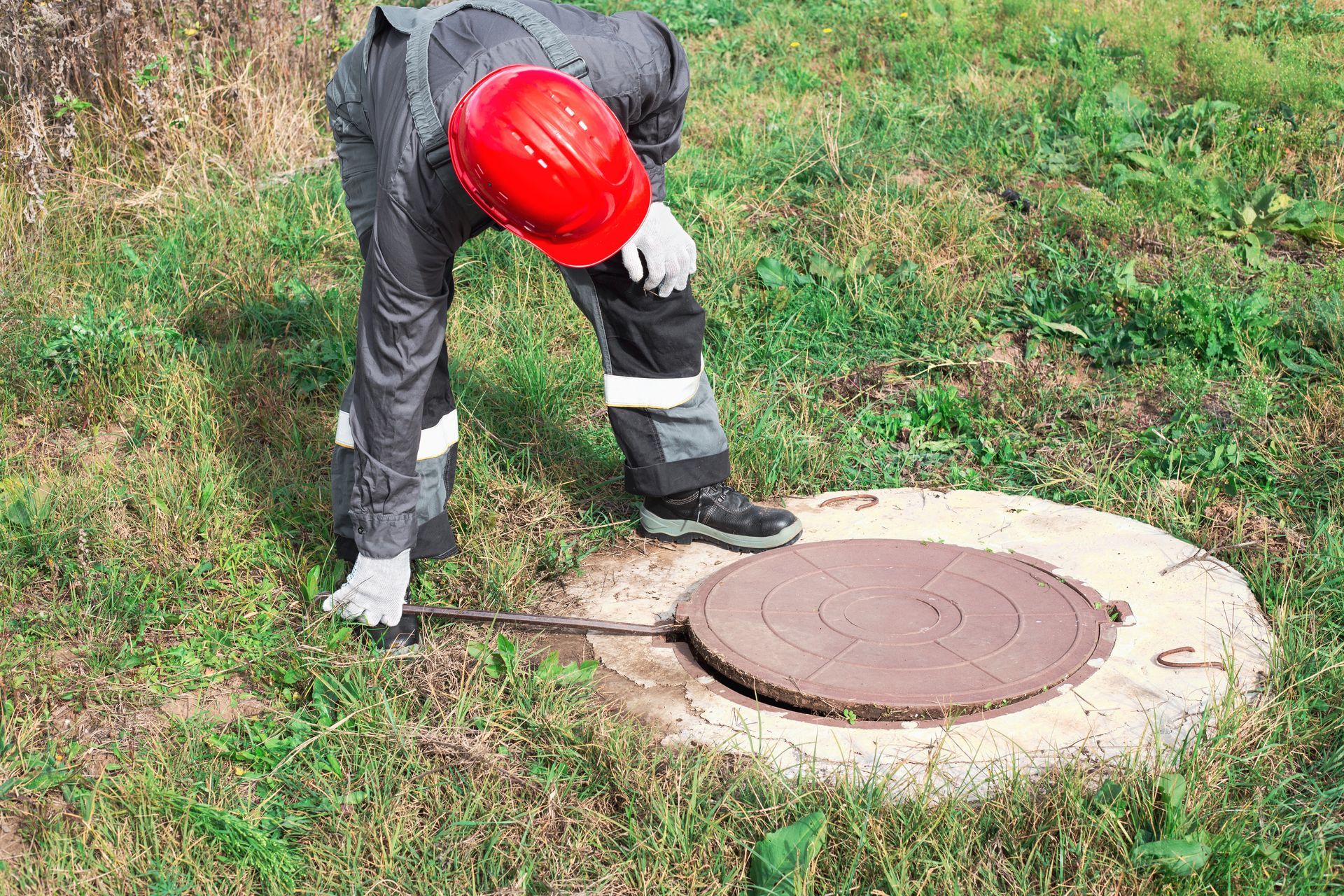
Septic tanks are underground wastewater treatment structures common in areas without centralized sewer systems. Because these tanks operate out of sight, problems like leaks or clogs often go unnoticed until they escalate into costly repairs or health hazards. By scheduling routine septic tank inspection, you ensure early detection of sludge buildup, pipeline damage, or drain field issues that can compromise the entire system.
What to Expect During a Septic Inspection
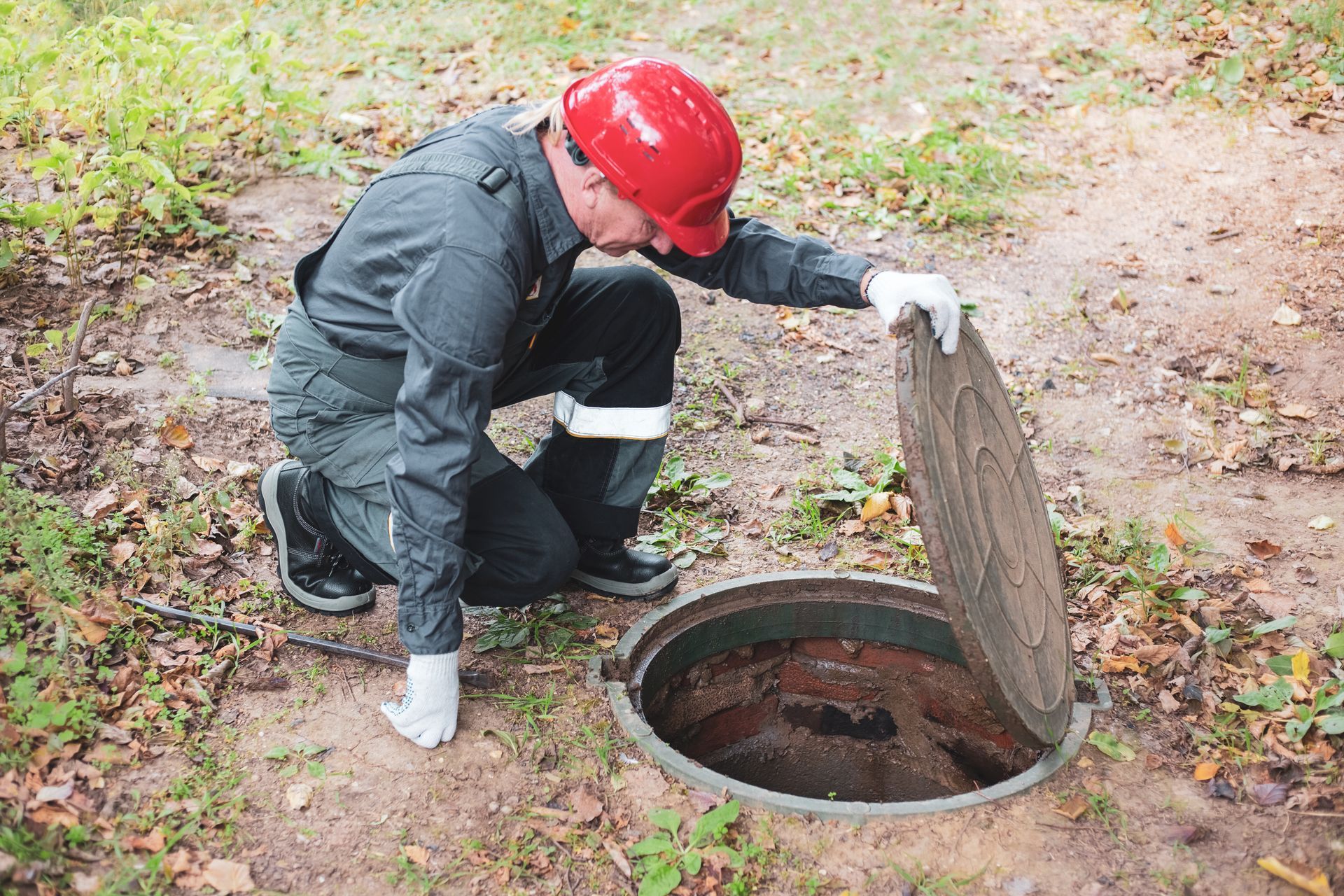
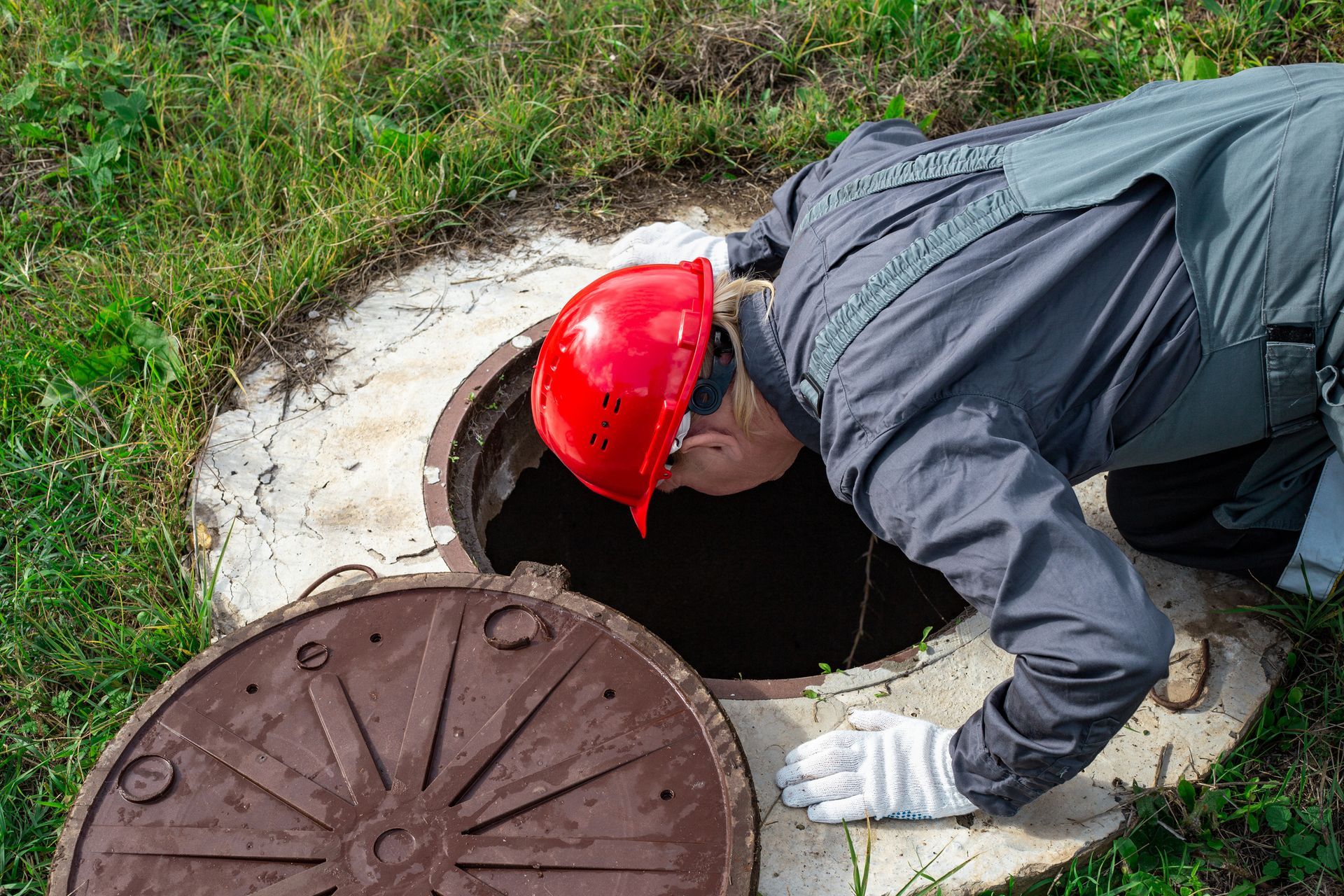
A thorough septic tank inspection typically involves a few key steps designed to evaluate the health of your septic system:
Checking Tank Levels and Sludge Buildup
One of the primary focuses during inspection is measuring the level of sludge and scum inside the tank. Over time, solids settle at the bottom, and scum floats on top, reducing the tank’s capacity. Inspectors use specialized tools to check if these layers need pumping out, preventing solids from clogging the drain field.
Inspecting Pipes and Drain Field
The inspection also includes assessing the piping leading to and from the septic tank, ensuring there are no cracks, leaks, or blockages. The drain field, a critical component that disperses treated wastewater into the soil, is examined for signs of saturation or failure, such as pooling water or foul odors around the area. Early detection of drain field issues helps prevent costly replacements.
Identifying Leaks or Damage
Inspectors carefully look for any structural damage or leaks in the tank’s basin or exterior. Cracks or corrosion can lead to untreated sewage seeping into the surrounding environment, posing health and environmental risks. Fixing these concerns promptly is essential to protect your property and the local ecosystem.
The Benefits of Routine Septic Tank Inspection
Maintaining a regular inspection schedule offers multiple advantages for homeowners:
Prevent Costly Repairs
Regular inspection and maintenance uncover potential problems before they become serious, saving homeowners thousands in repairing or replacing septic system components. Addressing minor issues early ensures your system remains reliable and efficient.
Extend System Lifespan
With proper care, septic systems can function effectively for decades. Routine inspections help maintain optimal performance by ensuring sludge does not accumulate excessively and components operate correctly, extending the life of your septic tank and drain field.
Protect Property and Environment
A failing septic system poses a risk to both property and nearby water sources. Leaks can contaminate groundwater and soil, leading to environmental damage and health concerns. Timely inspections reduce these dangers and help homeowners comply with local regulations.
Septic Inspection: When and How Often to Schedule
Determining the right schedule for septic tank inspection is essential to keep your system functioning efficiently and avoid costly repairs. While experts commonly recommend having your septic tank inspected every 3 to 5 years, this timeframe can vary based on several important factors.
Here are some key considerations that influence how often you should schedule an inspection:
- Household Size: Larger families typically generate more wastewater, which can cause sludge and scum to accumulate faster. If your household has several members, more frequent inspections, perhaps every 1 to 3 years, may be necessary to maintain proper function.
- Tank Capacity: The size of your septic tank plays a significant role. Smaller tanks fill up more quickly and may require more frequent pumping and inspection, while larger tanks can usually go longer between checkups.
- Water Usage: High water consumption habits, such as frequent laundry loads or multiple bathrooms in use daily, can stress the septic system. Monitoring your water usage can help determine if an accelerated inspection schedule is needed.
- System Age and Condition: Older septic systems or those that have experienced past issues may need closer monitoring to catch potential problems early. Newer systems in good condition might sustain longer intervals between inspections.
How Mike Lusk's Septic Tank Service Sets the Standard
Homeowners in Asheville, NC, seeking dependable septic tank inspection services can turn to Mike Lusk's Septic Tank Service. With local expertise and professional standards, Mike’s technicians thoroughly evaluate every component from sludge buildup to drain field functionality. Their meticulous attention ensures your system operates safely and efficiently, backed by clear communication and quality assurance practices.
Secure Peace of Mind With a Timely Septic Inspection
For homeowners in Asheville, NC, septic inspection is not just a routine task; it’s an essential step toward safeguarding your home’s plumbing, preventing unexpected costs, and protecting your family's and community’s health. Regular inspections help maintain system efficiency, avoid environmental contamination, and extend the life of your septic tank and drain field. Don’t wait for symptoms like slow drains, odors, or pooling water to appear. Be proactive and call to schedule your next septic tank inspection today to ensure peace of mind and continuous system performance.