What Does a Septic Tank Inspection Actually Include? A Western NC Homeowner's Guide
A thorough septic tank inspection covers more ground than most Western NC homeowners expect, and knowing what to look for before the inspector arrives can help you understand the report you receive. This guide breaks down every component that may be evaluated during a professional septic inspection in Asheville, NC, so you can make informed decisions about your home's system.
Septic systems in the mountains of Western North Carolina face unique challenges. Clay-heavy Appalachian soils can slow drainage; steep terrain affects how wastewater moves through the ground; and older homes in communities like West Asheville, Swannanoa, Weaverville, and Marshall may have systems that were installed decades ago under different standards. A septic tank inspection is one of the most important steps you can take before buying a home or keeping your current system healthy.
What a Septic Tank Inspection Actually Covers
A septic tank inspection is a structured evaluation of every working part of your system, not just a quick look at the tank lid.
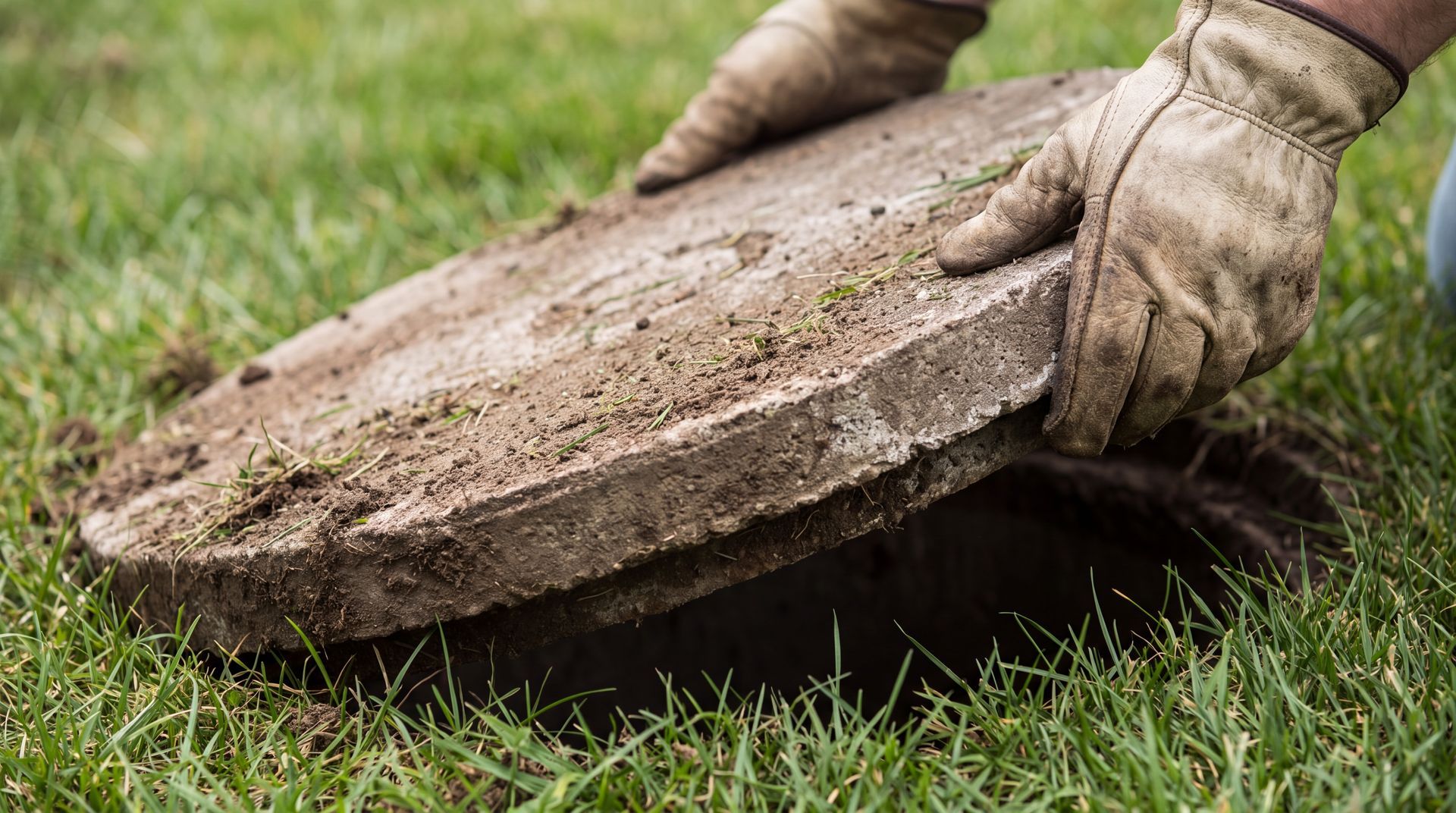
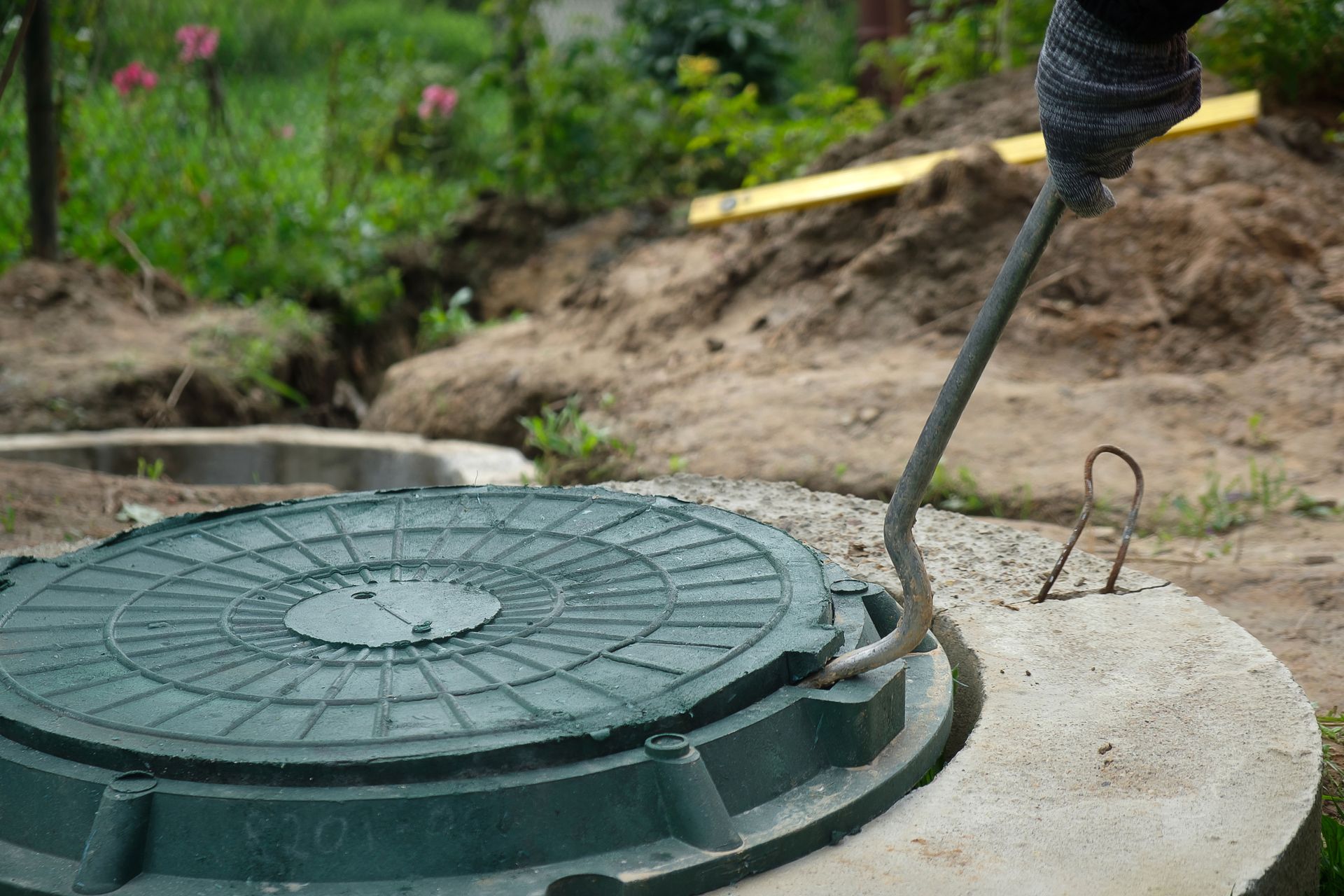
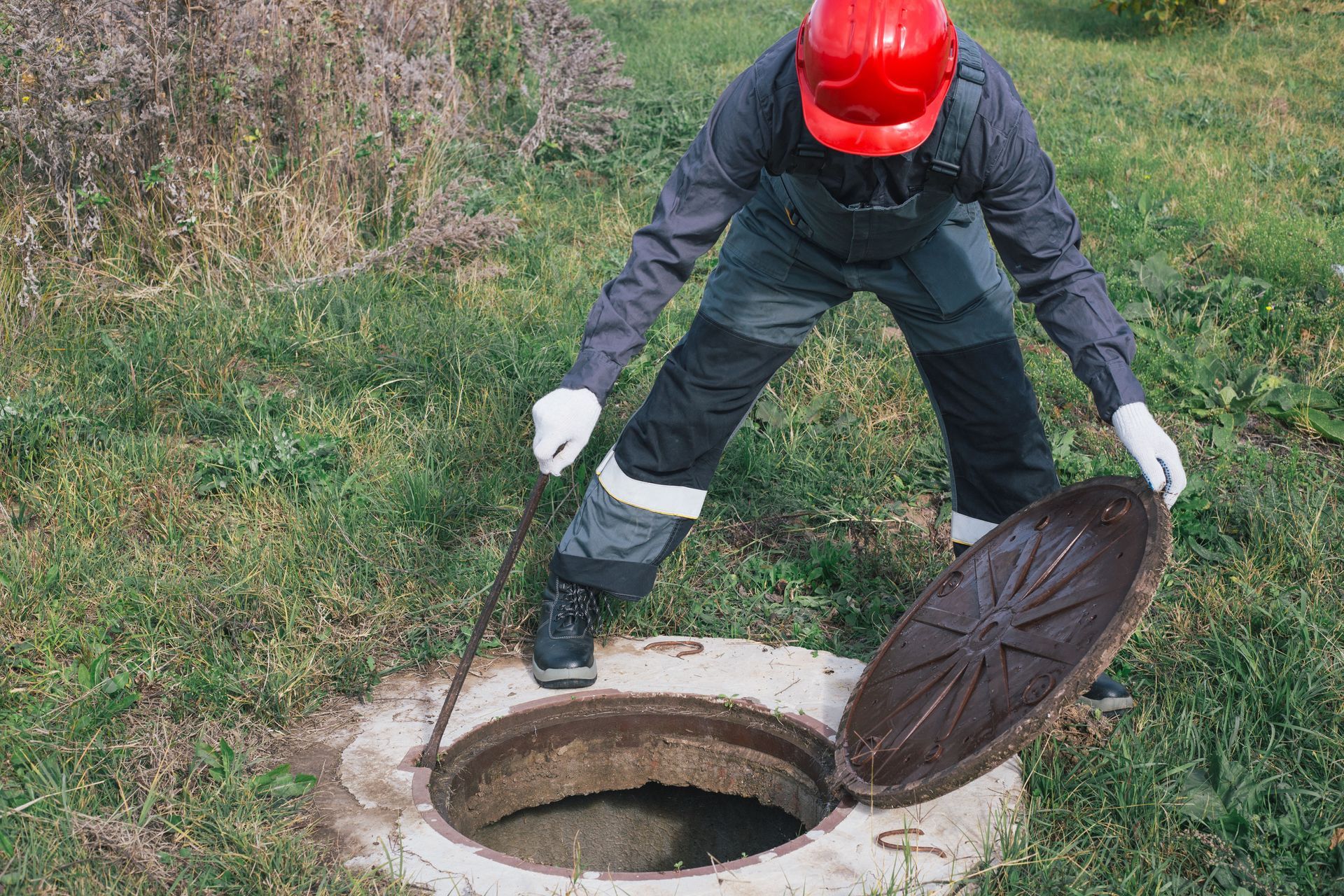
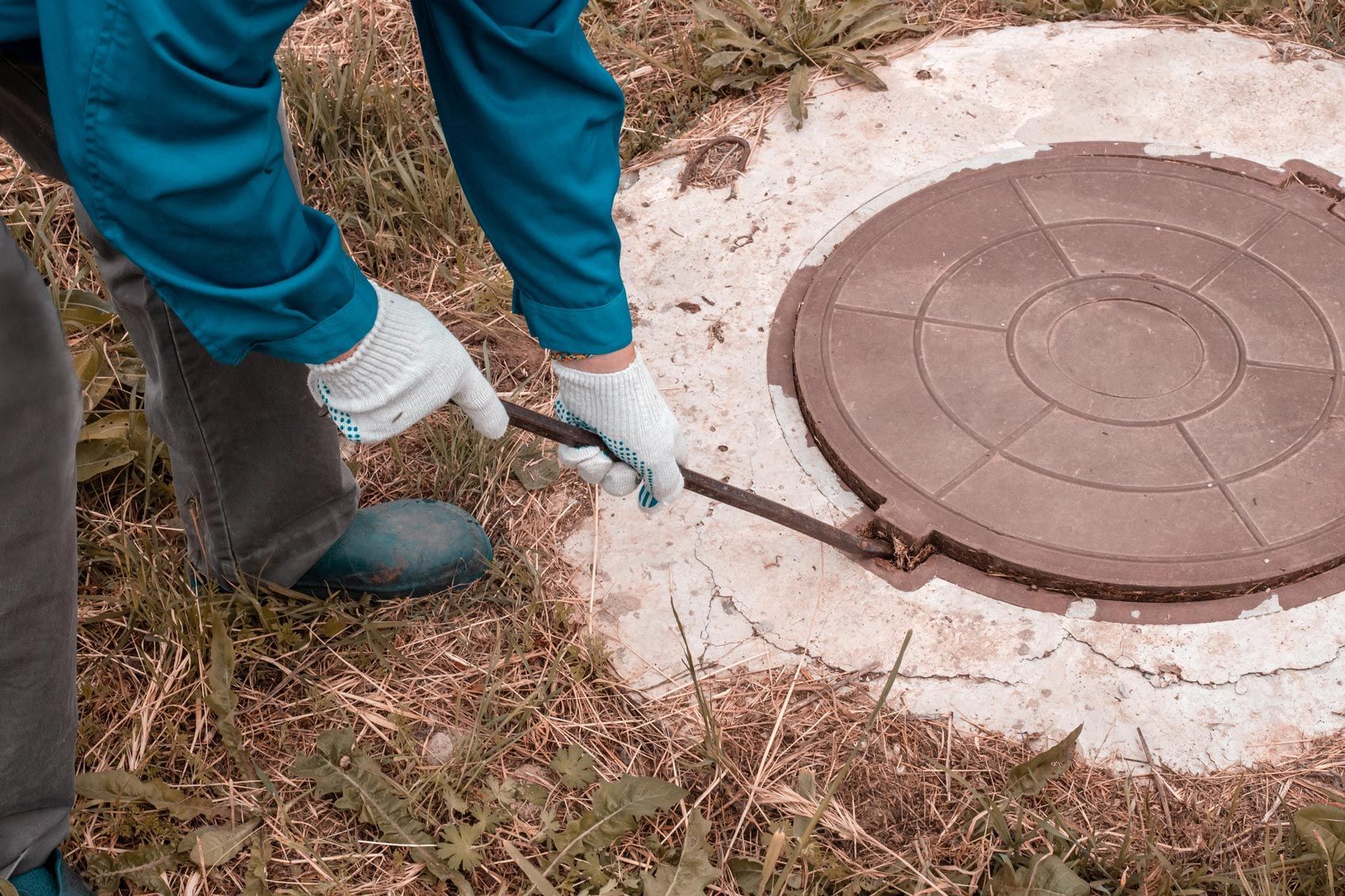
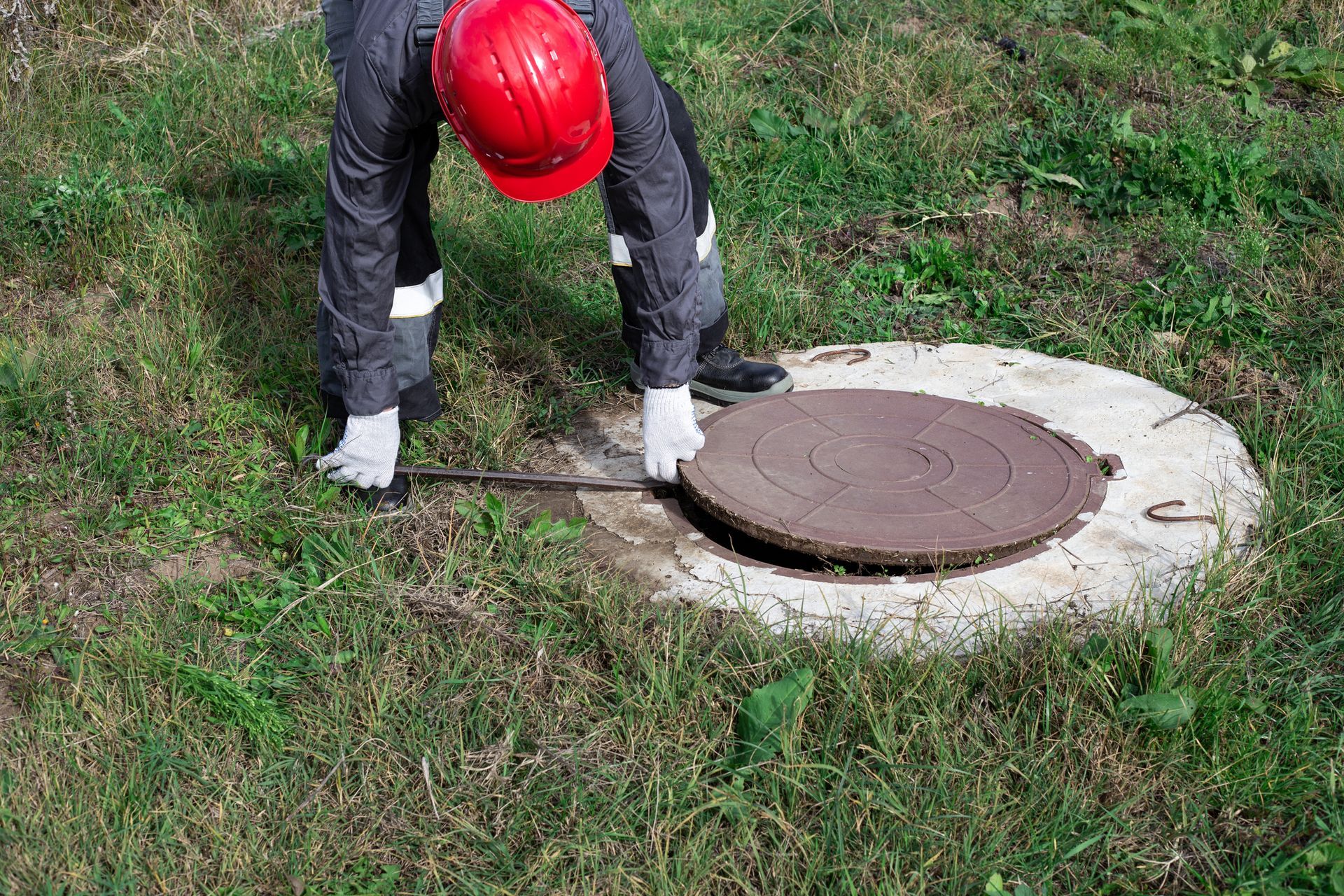
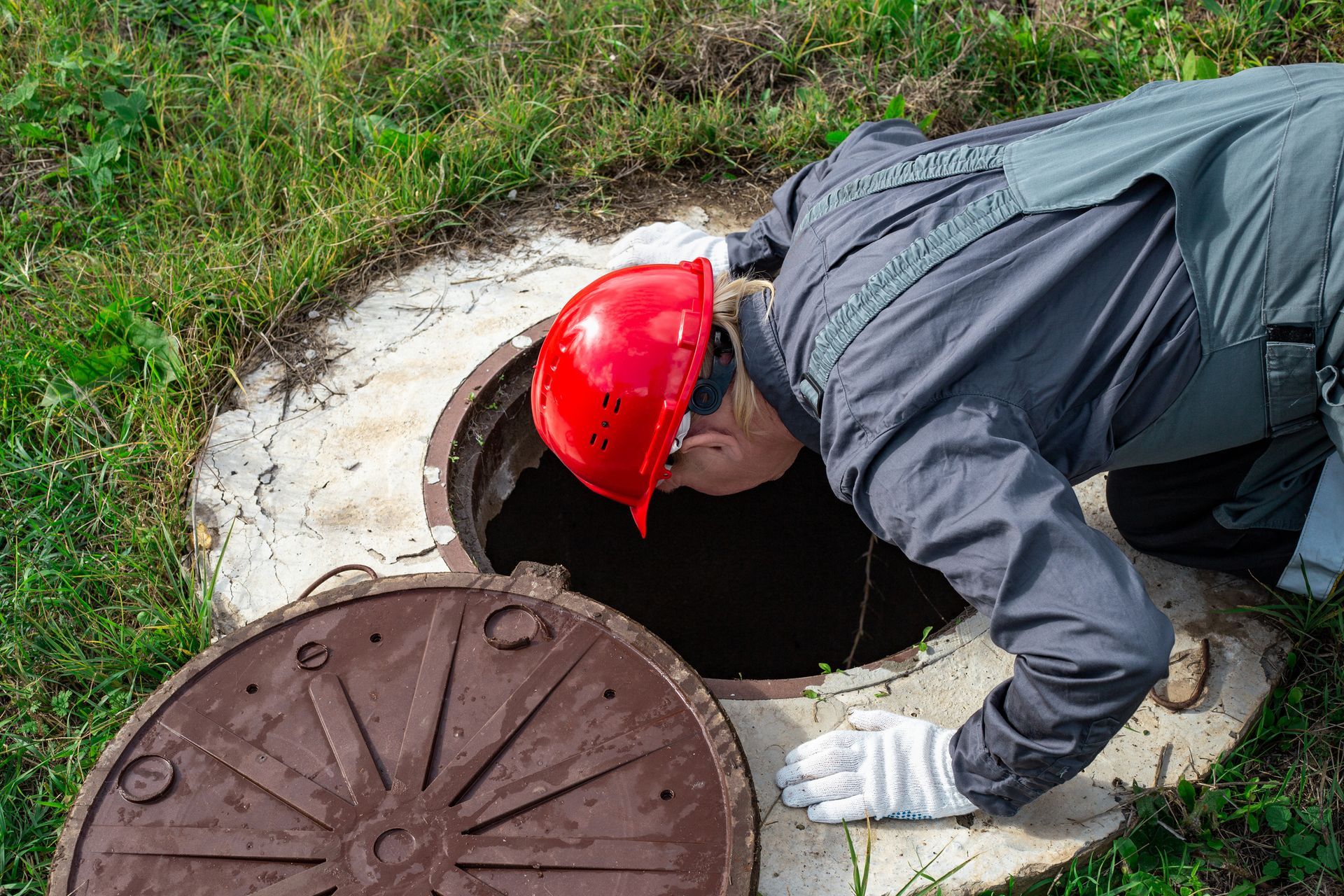
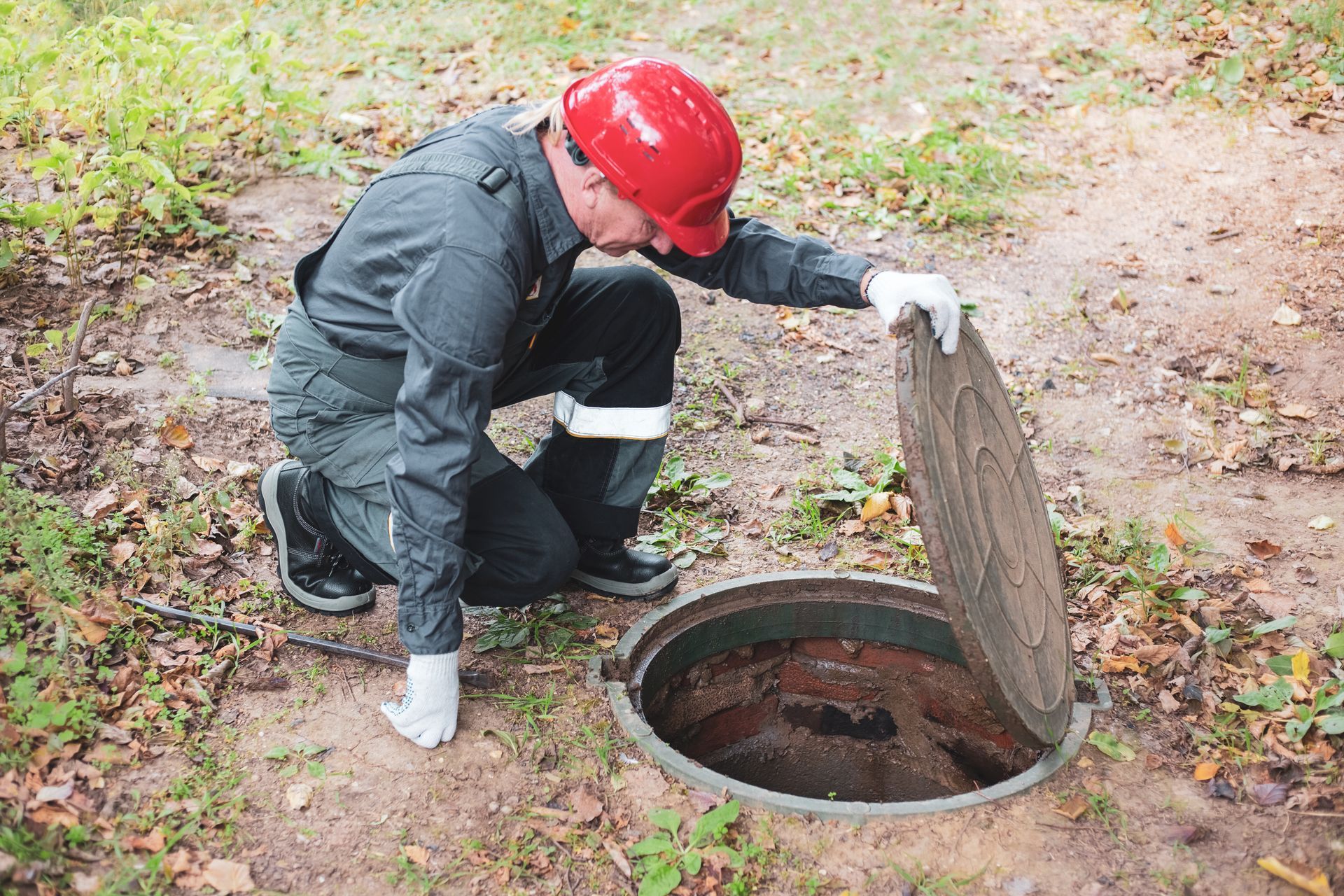
Most inspections begin with locating and uncovering the tank access points. The inspector checks the tank's overall physical condition, looking for cracks, signs of structural damage, and evidence of groundwater intrusion. In the rocky, uneven terrain common around Buncombe County, tanks can shift over time, so this structural check matters.
Here is a component-by-component breakdown of what a thorough inspection may include.
Tank Condition and Capacity
The inspector evaluates the tank walls, floor, and lid for cracks or deterioration. They also assess sludge and scum levels to determine whether the tank needs pumping. An overfull tank is one of the most common early warning signs of system stress.
Inlet and Outlet Baffles
Baffles are the internal structures that direct wastewater flow inside the tank. The inlet baffle slows incoming waste so solids can settle. The outlet baffle prevents floating scum from escaping into the drainfield. A broken or missing baffle can allow solids to clog the drainfield lines, which is one of the most expensive repairs a homeowner can face.
Effluent Filter
Many modern systems include an effluent filter on the outlet pipe. This small device catches fine solids before they reach the drainfield. The inspector will check whether the filter is present, clean, and functioning. If it has not been cleaned in several years, it may be restricting flow even if everything else looks fine.
Distribution Box
The distribution box, sometimes called a D-box, receives effluent from the tank and sends it evenly to the drainfield lines. The inspector checks for cracks, uneven flow, and evidence that solids have entered the box. Uneven distribution is a leading cause of drainfield failure in hilly terrain like that found throughout the Asheville, NC, area.
Drainfield Condition
The drainfield is where treated effluent is absorbed into the soil. The inspector looks for surface ponding, unusually lush or green patches of grass, and wet or soggy ground over the drainfield area. In Western NC, shallow soil depth over bedrock can limit absorption capacity, making drainfield assessment especially important.
Risers and Access Points
Risers are the vertical pipes that bring access points up to or near ground level. The inspector checks whether risers are present, properly sealed, and secured. Poorly fitted lids can allow surface water or debris to enter the system, which is a concern during Asheville's heavy seasonal rainfall events.
How Often Should You Schedule an Inspection?
Regular inspections help prevent the kind of failures that can disrupt daily life and result in costly repairs.
Most septic professionals recommend having your system professionally inspected every three years. Homes with higher water usage, older systems, or steeper slopes may benefit from more frequent checks. If you are purchasing a home anywhere in Buncombe County or the surrounding region, a pre-sale inspection is strongly advisable before closing.
Real estate septic inspections follow a specific protocol. The inspector performs a load test, running water into the system to observe how it responds under pressure. They also probe the drainfield area and document findings for the buyer, seller, and lender.
Why Are Western NC Soil and Terrain Unique Factors?
The mountain terrain around Asheville presents conditions that differ significantly from flat piedmont or coastal regions. Shallower soil over granite and metamorphic rock means there is often less room for effluent to absorb before reaching groundwater. Steeper slopes can cause lateral flow issues that stress distribution systems. An inspector familiar with these local soil profiles can identify risks that a standard checklist might miss.
What Happens After the Inspection?
The inspector typically provides a written report noting the condition of each component. If issues are found, the report may recommend pumping, repairs, or further evaluation by a licensed contractor. Catching a cracked baffle or a failing distribution box early is far less disruptive than dealing with a complete drainfield replacement.
Does a New Home Still Need a Septic Inspection?
Even recently installed systems can have issues related to improper grading, soil compaction during construction, or materials that were not properly set. An inspection on a newer system gives you a documented baseline for future maintenance planning.
Schedule Your Inspection With a Trusted Western NC Team
Mike's Septic Tank Service serves homeowners in Asheville, NC, and throughout the surrounding Western NC region, providing licensed septic tank inspections for both routine maintenance and real estate transactions. The team holds a state inspection permit and brings local knowledge of Buncombe County soil and terrain to every job.
Contact Mike's Septic Tank Service online to request a free estimate or ask about scheduling. You can also learn more about what to expect by visiting the septic inspections service page. To speak with the team directly, call (828) 253-2612. Free estimates are available, and senior citizen discounts may apply.